
Field Notes: How to Keep a Birdwatching Journal That's Actually Useful
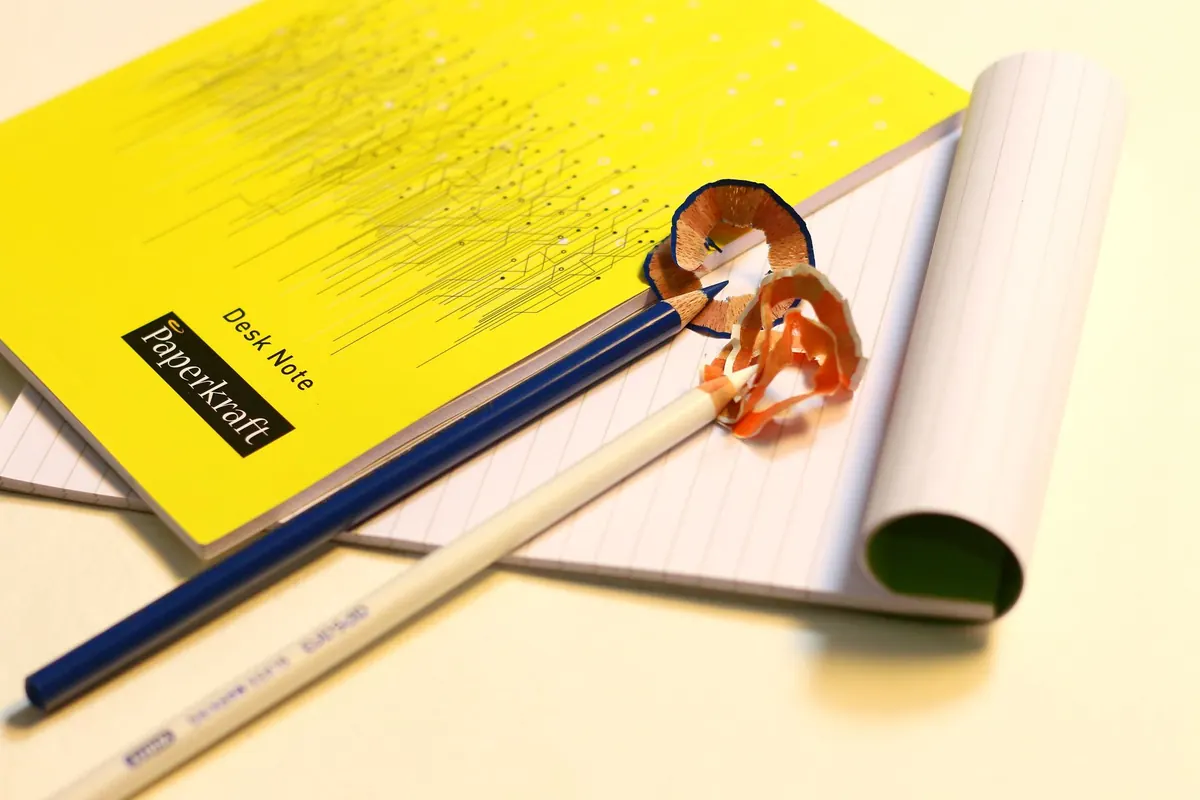
A notebook is the cheapest piece of birding kit you will ever buy, and often the one that changes how you watch. The problem is that most journals fill up with half-legible lists and then sit on a shelf. The entries that earn their keep are the ones you can read back in November and still understand: where you stood, what the weather was doing, what the bird actually did. Keeping a journal like that takes a few minutes in the field and a few more at home. It also makes you a sharper identifier, because writing something down forces you to decide what you are looking at.
Start with the details you will not remember
Memory is generous for about an hour. After that, the wheatear becomes “a wheatear” and the location is “somewhere near the car park”. Write the header before you start watching, even if it means standing at the gate with the book balanced on your knee.
- Date and times. Arrival and departure, not just “morning”.
- Location. The name, plus something precise — a grid reference, a what3words pin, or “second hide, west end of the scrape”.
- Conditions. A line of shorthand, covered below.
- Species and counts. Numbers, not ticks. “24 golden plover” tells you far more than a cross in a box.
- Anything you were unsure about. Write it down even if you cannot name it. These become the most useful notes you keep.
A page with no date and no place is a page you will never fully trust.
Record conditions, not just birds
Weather decides where birds are. A wader flock feeding on a falling tide in a stiff south-westerly will be somewhere else entirely tomorrow morning. Two entries from the same hide, one in a gale and one in flat calm, describe two different places.
You do not need a full meteorological station. Wind direction and rough strength, cloud cover, visibility, and anything recent that might matter — a hard frost, a week of rain, high water levels — will do. Tides are worth noting on any estuary or beach. Temperature is optional.
SW 4, 6/8 cloud, vis good, tide falling, frost overnight.
That line took ten seconds and will tell you more in two years’ time than a paragraph of prose. Consistency matters more than detail: pick your shorthand and use it on every visit.
Write what the bird was doing
“Stonechat” is a record. “Stonechat, perched on the top of a bramble, dropping to the ground and back, tail flicking” is a note.
Behaviour is often what separates tricky species. Chiffchaff and willow warbler look much alike on a grey morning, but one dips its tail and one does not, and their calls sit at opposite ends of the scale. When you are puzzling over a bird, the useful details are usually posture, feeding action, flight pattern, and whether it was alone or in a flock.
Note the odd thing, too. “Hovered twice before dropping” or “dark legs, pale rump, fed on the mud rather than the water” may be the detail that settles an identification weeks later.
Sketch badly, and do it anyway
Nobody is judging the drawing. A sketch forces you to look at shape and proportion in a way that a tick on a list never will: where the wingtips fall, how long the tail is against the body, how the head sits on the shoulders. Draw a silhouette that takes five seconds, then label it with arrows. A rough outline with “short tail, big head, pale rump” scribbled beside it is worth more than a tidy drawing done at home from a photograph.
A two-minute routine
- Get the shape down first — body, head, tail, bill. Ignore markings.
- Mark the proportions with two or three lines: tail length, wingtip position, leg length.
- Label anything you would otherwise forget: eye stripe, leg colour, bill shape.
- Note the light. Colour seen in low sun is not colour.
If the bird flies before you finish, keep the half-sketch and add a line about what it did next. Half a drawing and a good sentence beats a blank page.
Put sounds into words
Describe calls in whatever words come to hand, however daft they look on the page. Write the rhythm before the tone: “two sharp notes, a pause, then three faster ones”. Then note the pitch and quality — thin, rising, buzzy, metallic, liquid, harsh — and how often it repeated.
Sound is frequently the first clue that something is there. A contact call from deep in a bush, a flock calling overhead after dark in autumn, a single note from a reedbed: write it down even when you never see the bird. Recording on a phone is useful, but a recording you never play back is not a note. A written description is — it can be read in a second and compared with the next bird you hear.
Read your notes back
This is the step most people skip, and it is the one that turns scribbles into skill.
Sit down the same day, while the visit is still fresh, and tidy the entry: complete the counts, spell the species names properly, and fill in the details you left out in the field. Do not rewrite it into something it was not. Add, rather than polish.
Then go back further. At the end of a month, skim your entries and look for patterns: which species turned up after the cold snap, when the first swifts arrived, which hide produced the waders on a rising tide. Compare the same week across two or three years and the patterns start to show themselves.
Pay particular attention to the notes where you were unsure. A question mark beside a bird is a to-do item. Look it up, listen to the call again, and write the answer in the margin. Consider sending your records to your county bird recorder or a national recording scheme; local recorders are usually glad to explain how to submit.
Keeping it going
Keep the notebook with your binoculars, not on a shelf. Ten lines written in a cold car park is worth more than a neat page written a week later. Use one book until it is full rather than starting a fresh one each spring, and date everything.
If you miss a month, do not catch up. Start again on the next visit, with the date at the top and the weather underneath. That is the entry that will still make sense in five years, and it is the one that will teach you something.
Photo: Ramesh Kambattan / Pexels