
Winter Birdwatching in the UK: 10 Species to Look For and How to Help Them
By December the summer migrants have gone and the woods sound almost empty. That quiet is deceptive. Winter brings its own cast: thrushes in from Scandinavia, diving ducks onto the reservoirs, owls hunting in daylight, and birds that are easier to see now than at any other time of year simply because there is less cover and less food to go round. Here is what to look for, how to feed the birds that come to you, and a few habits that make a cold morning both more productive and more comfortable.
Ten birds to look for this winter
Work the habitats in order on a single walk and you can rack up most of this list before lunch: berry hedges first, then alders, then water, then rough grass.
Garden, hedgerow and car park
- Redwing. Our smallest thrush, and usually the first sign that winter has properly arrived. Look for the creamy stripe above the eye and the rusty patch on the flank, and listen for a thin, high tseep overhead after dark.
- Fieldfare. Bigger, greyer-headed, chestnut-backed and noisy. They strip berry hedges first, then move out onto pasture and stubble. That hard chack-chack call gives them away every time.
- Waxwing. The one that makes people cancel plans. In a good irruption year they turn up wherever there are ornamental berries, including retail parks and roundabouts. Listen for a soft trill, then look up.
- Brambling. Often hidden among chaffinches on beech mast or weedy stubble. Check the flock for an orange shoulder patch and a bold white rump as birds fly up.
Woods and alders
Siskin are the reliable winter finch, feeding acrobatically in alder cones and hanging upside down like tiny parrots. A patch of alder beside water is worth ten minutes of standing still. While you are there, listen for the metallic call of a redpoll and the high, thin notes of goldcrests moving through the conifers behind.
Reservoirs, rivers and reedbeds
- Goldeneye. Smart diving ducks that gather on reservoirs and gravel pits. Males are black and white with a white face patch; females have a chocolate head. Courtship display peaks in the depths of winter, all head-throwing and croaking.
- Goosander. Sawbills on rivers and lakes, often in loose parties. Watch them herd fish into the shallows and dive together. Females and young birds show a rich redhead.
- Bittern. The hardest bird here, and the most rewarding. Freezing weather concentrates them at the edges of reedbeds where they can still fish, so a hard frost is your best chance. Arrive at dawn, stand still, and be patient.
Open country and coast
Short-eared Owls hunt by day over coastal marsh and rough grass, particularly in the couple of hours before dusk. Look for the stiff-winged glide and the pale patch on the upperwing. On shingle beaches and saltmarsh, Snow Buntings feed on seeds, moving constantly, and a flock rising all at once is one of the sights of the season. If you are in the right part of the country, winter also brings whooper swans to flooded fields and, increasingly, blackcaps to garden feeders.
Feeding well through a cold snap
Birds need calories and they need them quickly, so offer food that is easy to handle and high in fat. Variety across several feeders also reduces squabbling and limits the chance of disease passing between birds.
- Sunflower hearts. The best all-rounder: high in fat, no husks, taken by almost everything.
- Nyjer in a fine-holed feeder for siskins, goldfinches and redpolls.
- Suet balls and blocks, caged if starlings have found you. Vital in hard frost.
- Mealworms for robins, wrens and blackbirds, especially when the ground is frozen.
- Fruit and mild scraps — halved apples for blackcaps and thrushes, soaked raisins, a little mild cheese. Never salted food, and never bread as a mainstay.
Keep feeders clean. Wash them in hot soapy water every couple of weeks, more often if you see sick or lethargic birds, and rotate feeding points rather than letting debris build up underneath. Ground feeding and wet, uncleaned trays are where problems start. A shallow dish of fresh water matters as much as food: change it daily, and break the ice first thing on frosty mornings.
Cold-weather fieldcraft
Dress for standing still
Most winter birding is done motionless, so dress warmer than you think you need. Several thin layers work better than one thick coat, and a windproof outer shell changes everything on an estuary. Gloves that let you use a focus wheel without taking them off are worth the search. Take a flask; it makes the difference between a forty-minute stop and a two-hour watch.
Use the light and the tide
Low winter sun is an advantage if you keep it behind you and work into the glare only when you have to. On estuaries, the two hours either side of high tide push waders and wildfowl close to the bank, so check a tide table before you leave the house. After a gale, a short sea-watch from a headland can turn up divers, grebes and little auks. Keep binoculars inside your jacket between scans and let them warm back up slowly indoors to avoid fogging and condensation.
A short winter routine that pays off
- Top up feeders at the same time each morning so birds know when to visit.
- Plan one long walk a fortnight around water, not woodland, in December and January.
- Note what you see, where and when. Patterns of arrival and hard-weather movement are the most interesting thing about winter birding.
- Go out after the first hard frost. It is uncomfortable, and it is almost always the best day of the month.
Winter rewards the birder who keeps going out. The hedges are bare, the leaves are down and every flock on a stubble field is worth a second look. Wrap up, take your time, and let the season do the rest.
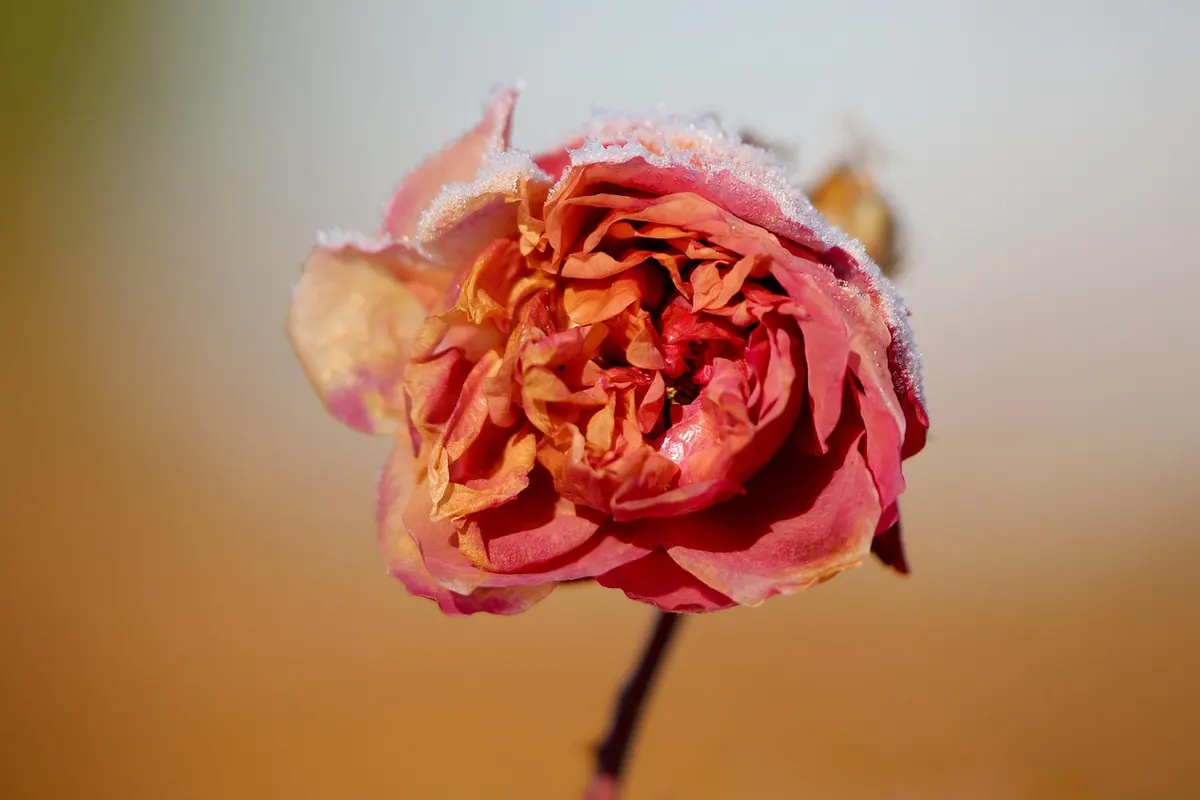
Photo: Nennieinszweidrei / Pixabay