
How to Report a Rare Bird Sighting in the UK: Ethics, Records and Local Groups
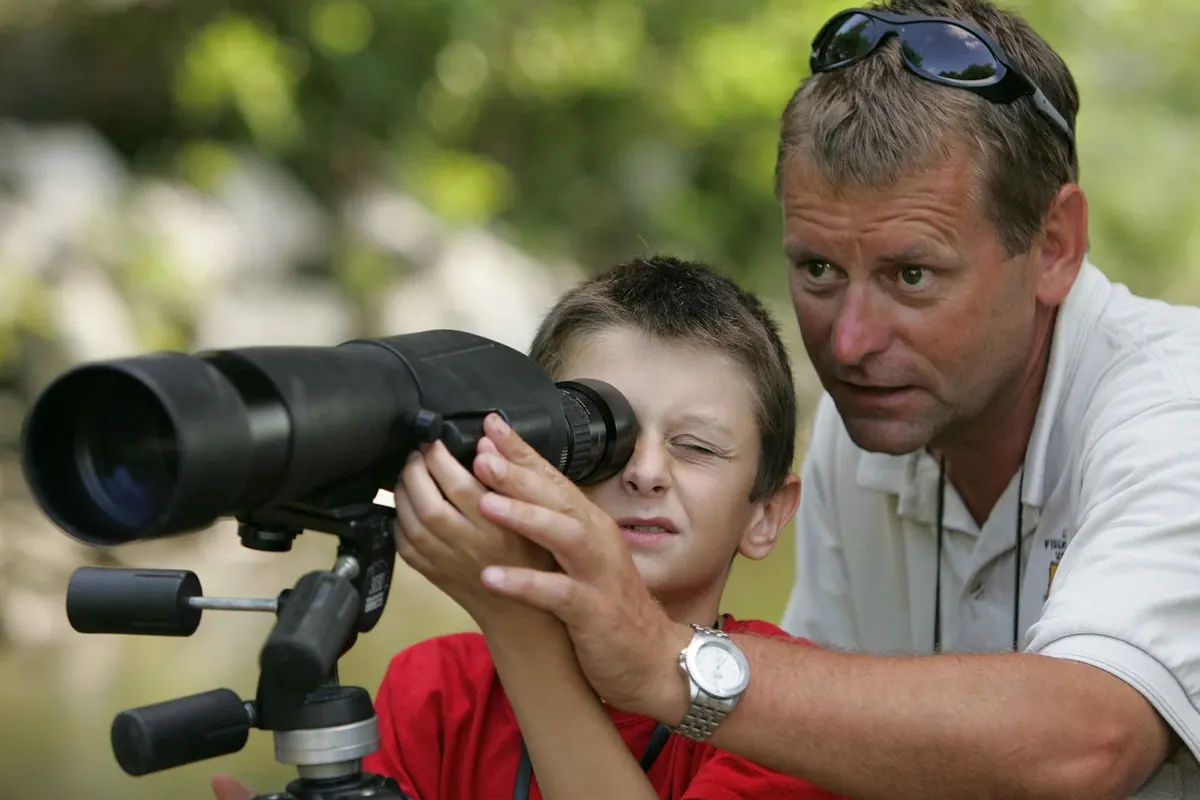
The moment a rare bird drops into view, the instinct is to reach for your phone. That instinct is a good one: records matter, and other birders will want to know. But a rare bird sighting is more than a piece of news. It is a record that may be checked, questioned and archived for years, and it involves a living creature that has already had a hard journey. Getting the identification right, sharing it responsibly and submitting a proper record are three separate jobs. Here is how to do all three without annoying your county recorder or trampling someone's scarce breeding habitat.
Sort the identification before you sort the news
Take a breath. A rarity is usually not going anywhere in the next two minutes, and the details that settle an identification are the ones you notice while you are calm. Look at structure first — bill length and shape, leg length, tail length, wing point — before you worry about colour. Listen for calls, and record them if you can. A single phone recording of a call note has settled more identifications than a dozen shaky flight shots.
Write your notes on the spot, with the time on them. If you have a camera, take a few frames of the habitat as well as the bird. Then work out what it is not. Confusion pairs trip up more records than anything else: a pale Chiffchaff against a Willow Warbler, a small gull against a Ring-billed Gull, a grey-and-white warbler that could be either Booted or Sykes's. If you are still unsure, send a photo or a description to one or two experienced birders before you broadcast.
Then check what is already known. Local groups and news services may show the bird has been present for days. That does not devalue your sighting, but it does change how you report it.
The ethics of sharing a rare bird
Not every rarity should be publicised the moment it is found. Before posting anything, run through the obvious questions:
- Is it the finder's news to share? If you did not find the bird, ask the person who did before uploading photos or posting a precise location.
- Is the species sensitive? Breeding birds protected under Schedule 1 of the Wildlife and Countryside Act, and scarce breeders on the county list, should not have exact locations posted. Send those details to the county recorder instead.
- Is the site fragile? A tired migrant in a small patch of scrub can be pushed off its feeding area by twenty people. Stay on paths, keep your distance, and avoid tape-luring or baiting for a better view.
- Will the site cope? Think about parking, gates, private land and the goodwill of the people who live there. The quickest way to lose access to a good site is to block a farm track.
- Is the bird coping? A grounded seabird or an exhausted warbler needs calm. Some sightings are better sent quietly than shared widely.
If you are unsure, speak to the county recorder first. They deal with this constantly and will tell you what can safely be made public.
What a good record contains
Records are not just a name and a date. County recorders assess hundreds of submissions, and a well-built record makes their job easier and your sighting more likely to be accepted. Put in:
- Date, and the time you watched the bird.
- An accurate location, with a grid reference or a clear site description.
- Weather, light and viewing conditions, optics used, and distance.
- What you actually saw: field marks, bare-part colours, calls, behaviour, ageing and sexing features.
- Your reasoning — how you identified it, and how you eliminated the likeliest confusion species.
- Supporting evidence: photos, sound recordings or sketches, kept unedited alongside the original files.
- Whether others saw it, and whether the bird was seen again.
Write the notes the same day, while the memory is fresh. If your identification changes later, keep the original notes and add a clearly dated correction rather than quietly rewriting them.
Who to tell, and where records end up
For most species, the record goes to the county bird recorder for the relevant recording area, usually through the county bird club's online system, or via BirdTrack or eBird, which pass records on. The recorder logs it, may ask a few questions and includes it in the county bird report. Some counties expect a written description for their own list of scarce species; the recorder will tell you if yours needs one.
National rarities travel further. The British Birds Rarities Committee assesses records of species on its list, and a potential first for Britain goes to the British Ornithologists' Union Records Committee. Breeding records of scarce species may be collated by the Rare Breeding Birds Panel. None of this is a judgement on your honesty. Verification is how records gain value, and being asked for a description is entirely normal, however long you have been birding.
Local groups and the etiquette of posting
County WhatsApp groups, email lists, bird club forums and the national news services each have their own tone. Whichever you use, the same details help everyone: what, where, when, who found it, and whether the site is accessible. Avoid posting a "possible" as a certainty — write "probable" and say what you are unsure about. If you get it wrong, correct it quickly and without drama. And if you are the finder who wants a quiet hour with the bird before the crowds arrive, that is your call; say so plainly rather than leaving people guessing. Thank the finder, too. They put in the hours, and often the petrol.
Your first hour with a rarity
If something unusual turns up and your mind goes blank, work through this order:
- Watch the bird properly before you touch your phone.
- Note the time, and take photos or a sound recording.
- Write field notes on the spot.
- Check whether the species is sensitive before sharing anything.
- Ask the finder, or the county recorder, if you are unsure.
- Post clear details to your local group or a news service.
- Submit the record within a few days, while the details are still sharp.
- Answer the recorder's questions, and keep your original notes.
A rare bird is a gift to the local birding community, and a good record is how you pass it on. Take the photograph, write the note, ask the awkward question, and leave the site in better shape than you found it. If you are unsure whether something needs a description, or whether a location should be kept quiet, your county recorder or bird club will usually tell you within a day — and that conversation is part of the hobby, not a test you can fail.
Photo: PublicDomainImages / Pixabay