
The UK Garden Bird Checklist: 20 Species to Spot Through the Year
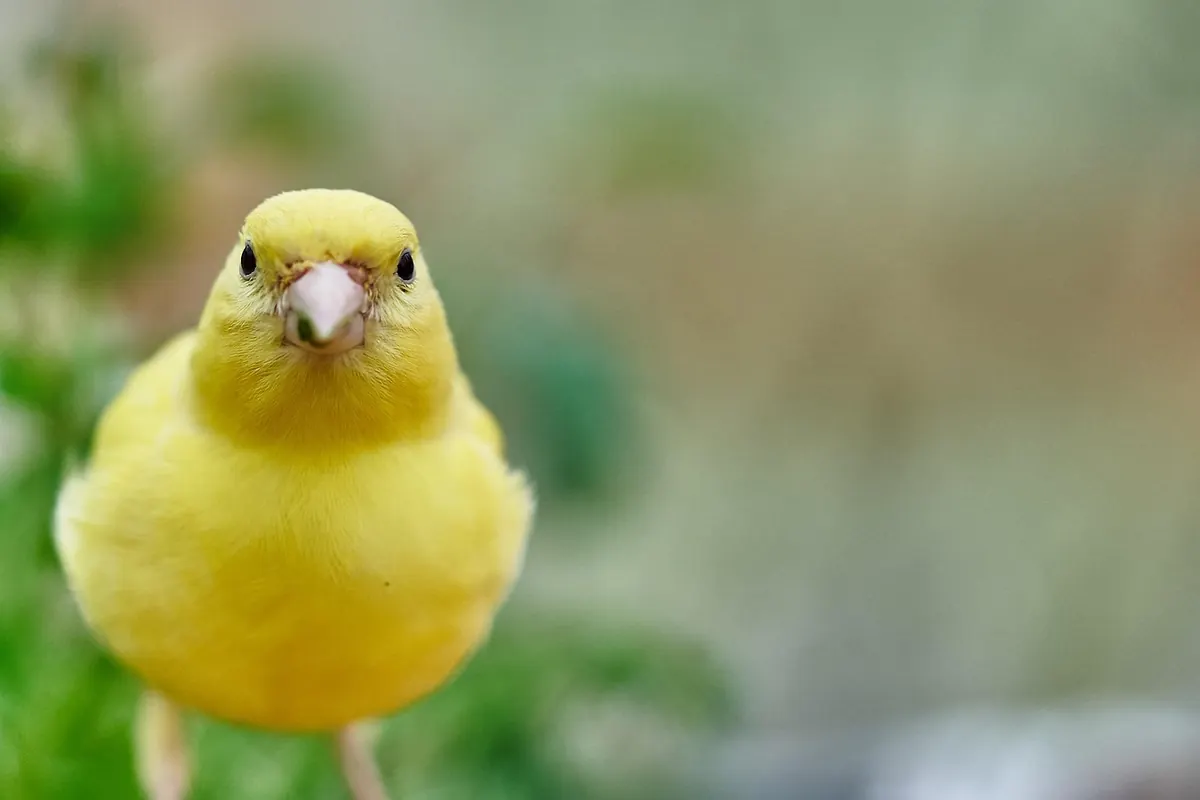
A garden list is a quiet kind of record. It starts with whatever lands on the feeder and builds, month by month, into a portrait of the year: the first blackcap of October, the starling flock that strips the fat balls before nine, the robin that sings under the streetlight in December.
None of the birds here is rare. That is rather the point. Familiar species seen often are the ones you learn to read properly, and their behaviour shifts more across twelve months than most people expect. Treat this as a starting point rather than a rulebook — twenty species that between them cover almost every garden in Britain, with notes on when to look and what to look for.
Winter: Hunger, Hierarchy and Early Song
From November to February the feeders do most of the work. Blue tits, great tits and coal tits arrive in quick relays, each taking one seed and retreating to a branch to eat it. Long-tailed tits come the other way — as a noisy family party that sweeps in together, works a bush for thirty seconds and is gone. Watch for the pale-headed, pink-flanked birds trailing at the back of the group.
Robins sing through the winter, and not only the males; both sexes hold territory and use song to keep the peace at the boundary. Blackbirds and dunnocks work the ground beneath the feeders, flicking leaves. In a hard frost, redwings and fieldfares may drop in from the fields, and a song thrush will sometimes take to its anvil, smashing a snail against the same stone for weeks. Chaffinches arrive in loose groups, and goldfinches queue politely on nyjer.
In a cold snap, feed little and often rather than heaping the table at dawn. Seed that sits through a wet night spoils quickly.
Spring: Song, Nests and First Arrivals
By late February the sound changes. Great tits start their two-note song — often written as tea-cher, tea-cher — and blue tits begin prospecting nest boxes, peering inside and tapping at the entrance. If you have a box, this is the month to clear it out, check the fixings and leave it alone afterwards.
The first chiffchaff usually sings from mid-March, a steady two-note chime that matches its name; a few now overwinter in the south, so an early bird is not always a migrant. Blackcaps follow in April with a scratchy, improvised warble, and wrens become suddenly, absurdly loud from low cover. Dunnocks creep about in the shadow of the hedge. Sparrowhawks make more visits now: a silent dash, a flurry, and then a scatter of feathers on the lawn.
Time your watching
The first hour after dawn in April and May is the best birdwatching most of us will ever do, and it happens in our own gardens. A cup of tea by an open window beats any hide.
Summer: Fledglings, Swifts and a Quieter Feed Table
June brings noise and scruff. Young blue tits and great tits have yellow gapes, rumpled wings and no idea how a feeder works; they sit and shriek until a parent caves in. Starlings arrive in mixed flocks with juveniles, all glossy dark with pale speckling. Fledgling blackbirds look half-finished, brown and blotchy, which is exactly how they should look.
Overhead, swifts scream through the long evenings from early May to August. They never land, and they nest in roof spaces that are quietly disappearing from British houses, so a screaming party over your street is worth noting. Swallows and house martins may hunt above the garden without ever visiting a feeder.
August often feels like a disappointment. Adults are moulting, many are skulking, and the table looks half-empty. That is normal. Keep a shallow dish of water clean and topped up — birds need it more in dry spells than in winter.
Autumn: Passage, Arrivals and Stores
September brings birds back from the surrounding countryside, and then birds from much further away. Blackcaps turn up at feeders between November and March, particularly in southern and western Britain, and they are not the same birds that sang here in spring. Redwings and fieldfares arrive from Scandinavia to strip rowan and hawthorn, and in some winters bramblings join the chaffinch flocks.
Listen for goldcrests travelling with tit flocks, and for siskins and lesser redpolls on alder and birch. Jays are busy in October, carrying acorns away to cache them in the ground — a habit that plants far more oaks than squirrels do. Through November, natural food runs down and the garden fill again.
The Core Twenty at a Glance
- Robin — sings all year, territorial, follows a fork
- Blue tit — feeder acrobat, will use a nest box
- Great tit — two-note spring song, bossy at the table
- Coal tit — black cap, white nape, darts in and out
- Long-tailed tit — arrives as a noisy family party
- Blackbird — dawn song, hunts leaf litter
- Song thrush — smashes snails on a favourite stone
- Dunnock — quiet shuffler under the feeders
- Wren — huge voice, cocked tail, keeps low
- Chaffinch — descending song, pink breast, pink call
- Goldfinch — red face, gold wing bar, loves nyjer
- Greenfinch — wheezy song, heavy feeder
- House sparrow — chattering colonies, dust baths
- Starling — brilliant mimic, spotted in winter
- Woodpigeon — white wing bars, clatters out of cover
- Collared dove — calm three-note coo, nests early
- Great spotted woodpecker — drums in spring, takes peanuts
- Blackcap — scratchy warble, winter visitor in the south
- Chiffchaff — sings its own name from March
- Sparrowhawk — silent, brief, leaves feathers behind
Getting More Out of the Checklist
Keep the method simple. Sit in the same spot for ten minutes at roughly the same time, and write down the species, the date and one thing about behaviour — not just that a greenfinch appeared, but that it fed on the ground while the goldfinches stayed up. Those small notes are what turn a list into something you can read back a year later.
Keep feeders clean as well as full. Wash them in hot soapy water every couple of weeks, let them dry properly, and rotate what you put out so nothing sits damp. If you see a bird that looks unwell — fluffed up, dull, reluctant to move away — take the feeders down for a fortnight before cleaning and refilling. Mouldy food and dirty ports do real harm, and a few minutes of hygiene protects every bird that visits.
Water matters all year, and so does cover: a hedge, a shrub, a corner left untidy. If you want a reason to sit still for an hour in January, the RSPB's Big Garden Birdwatch takes place on the last weekend of the month. Otherwise, pick a morning this week, watch the feeder until one species surprises you, and start your year list there.
Photo: RoyBuri / Pixabay